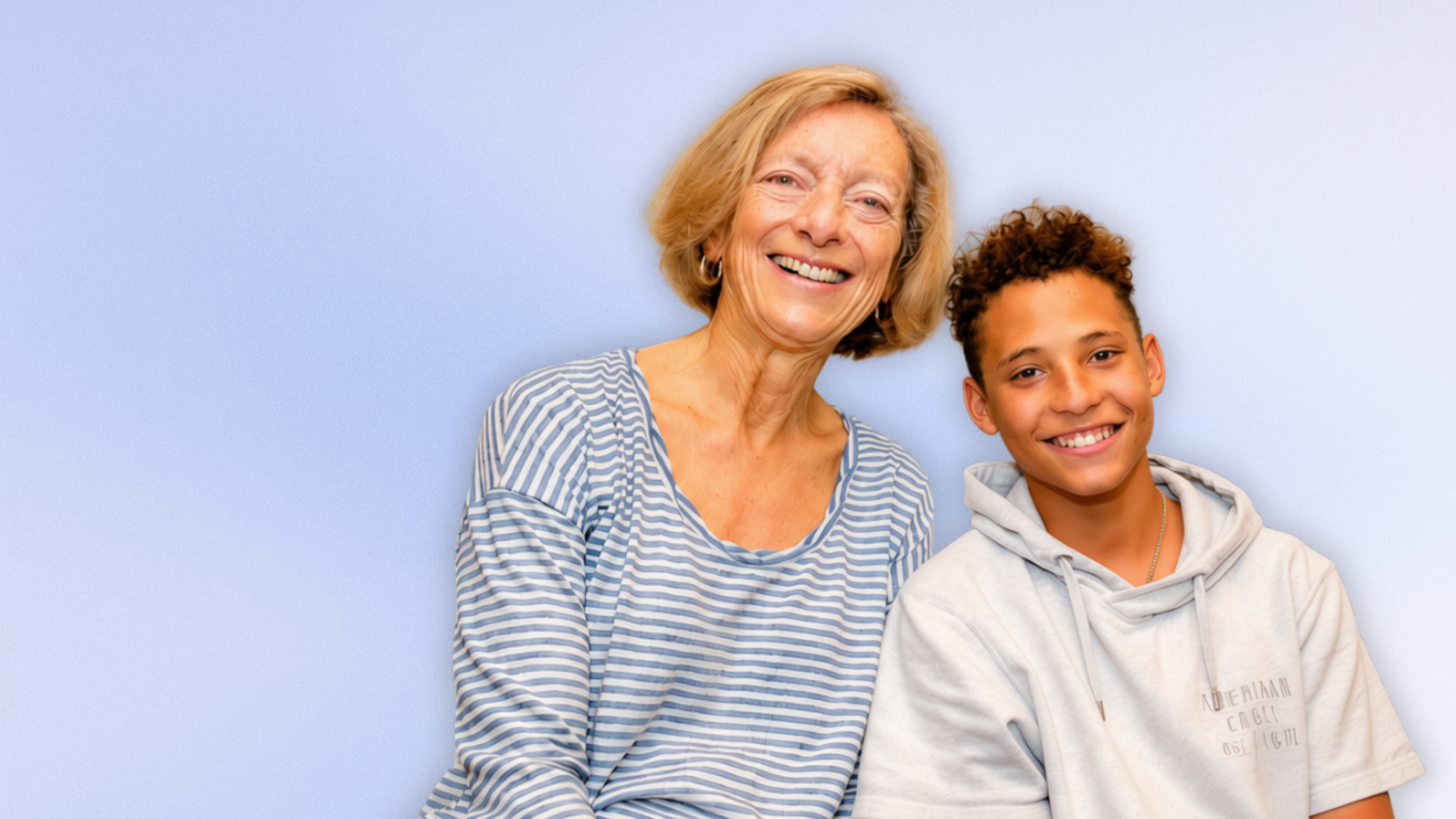
Denise and Julian—their special 11-year partnership was featured in the Ithaca Times. Photo by Casey Martin
Where do you get your ideas?
Every one of my novels begins with a question that haunts me.
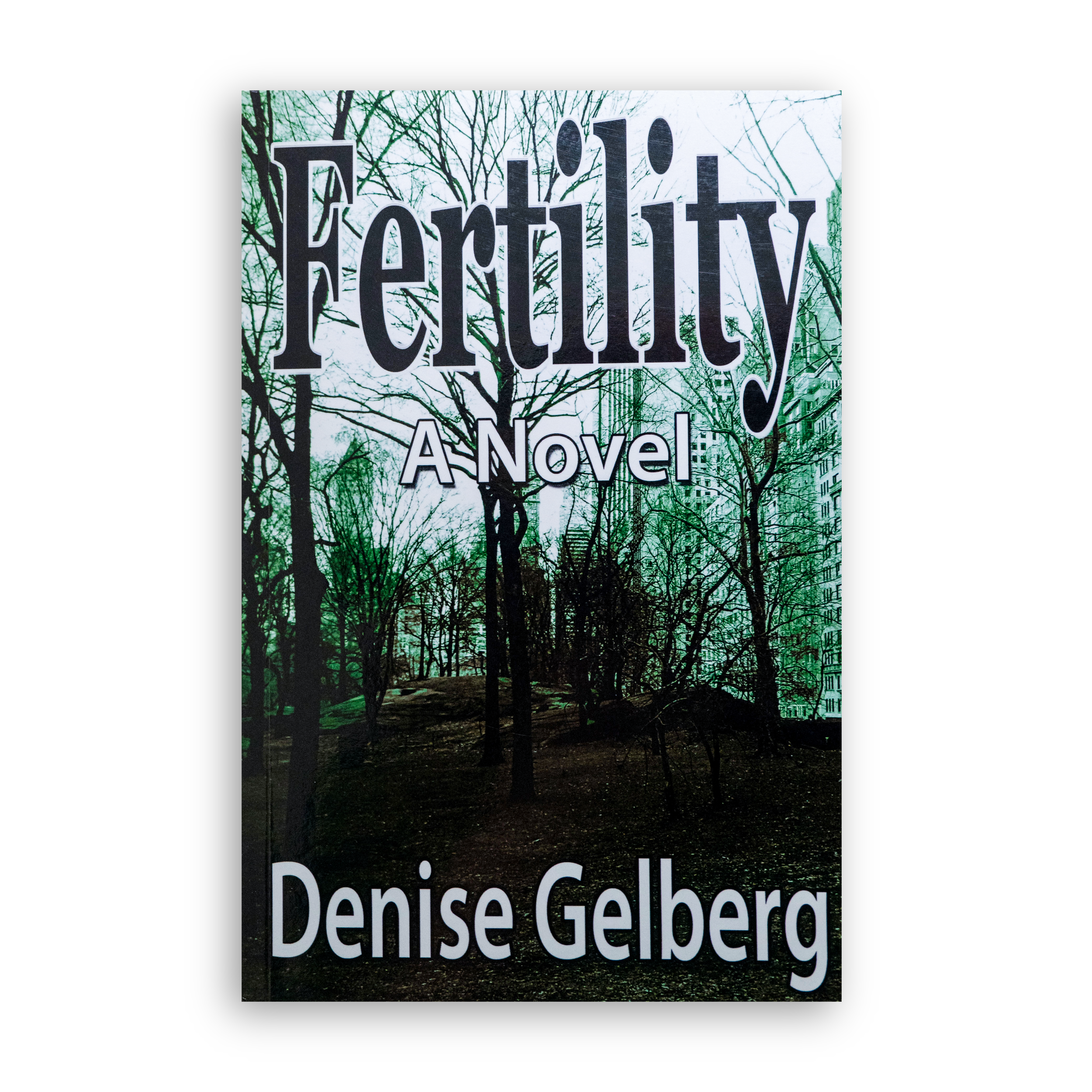
For my debut novel, Fertility, what drove me was the question of how a person can engage in the world once they’ve given up hope for finding personal happiness. The protagonist, Sarah Abadhi, pours herself into her work, hoping to drown out a sadness borne from failed relationships and her inability to have a child. A medical malpractice case she is assigned to shows her the limits of her approach to life.
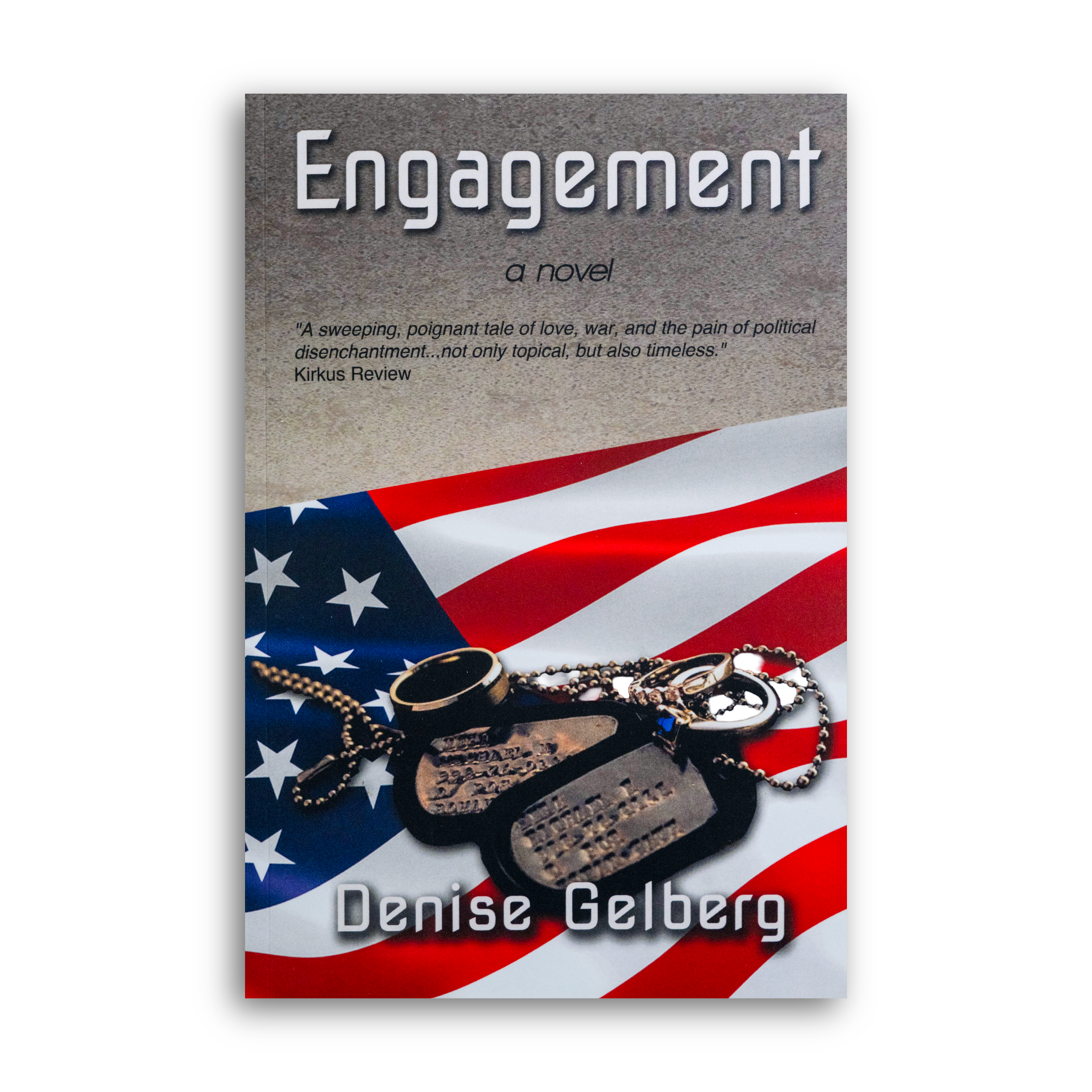
In Engagement, I sought to discover why someone would volunteer to put their life at risk by joining the military. That question arose from the decision made by a former student of mine to sign up for the Marines just days after graduating from high school. Why, I wondered, would that young man choose the Marine Corps over the many other options he had? Writing Engagement led me to the answer to that question, as well as illuminating the ramifications of military service for people who love a soldier, sailor, airman, or marine.
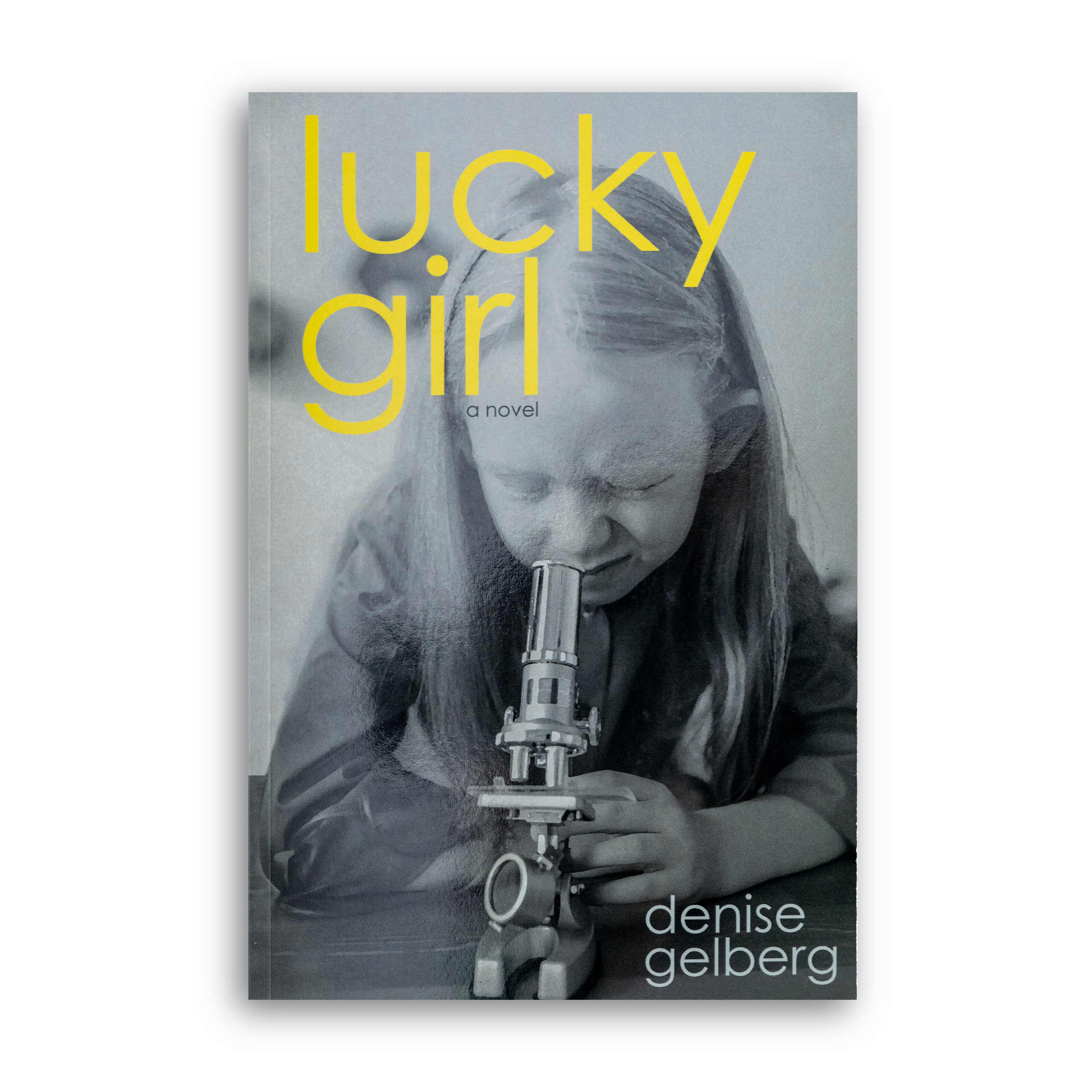
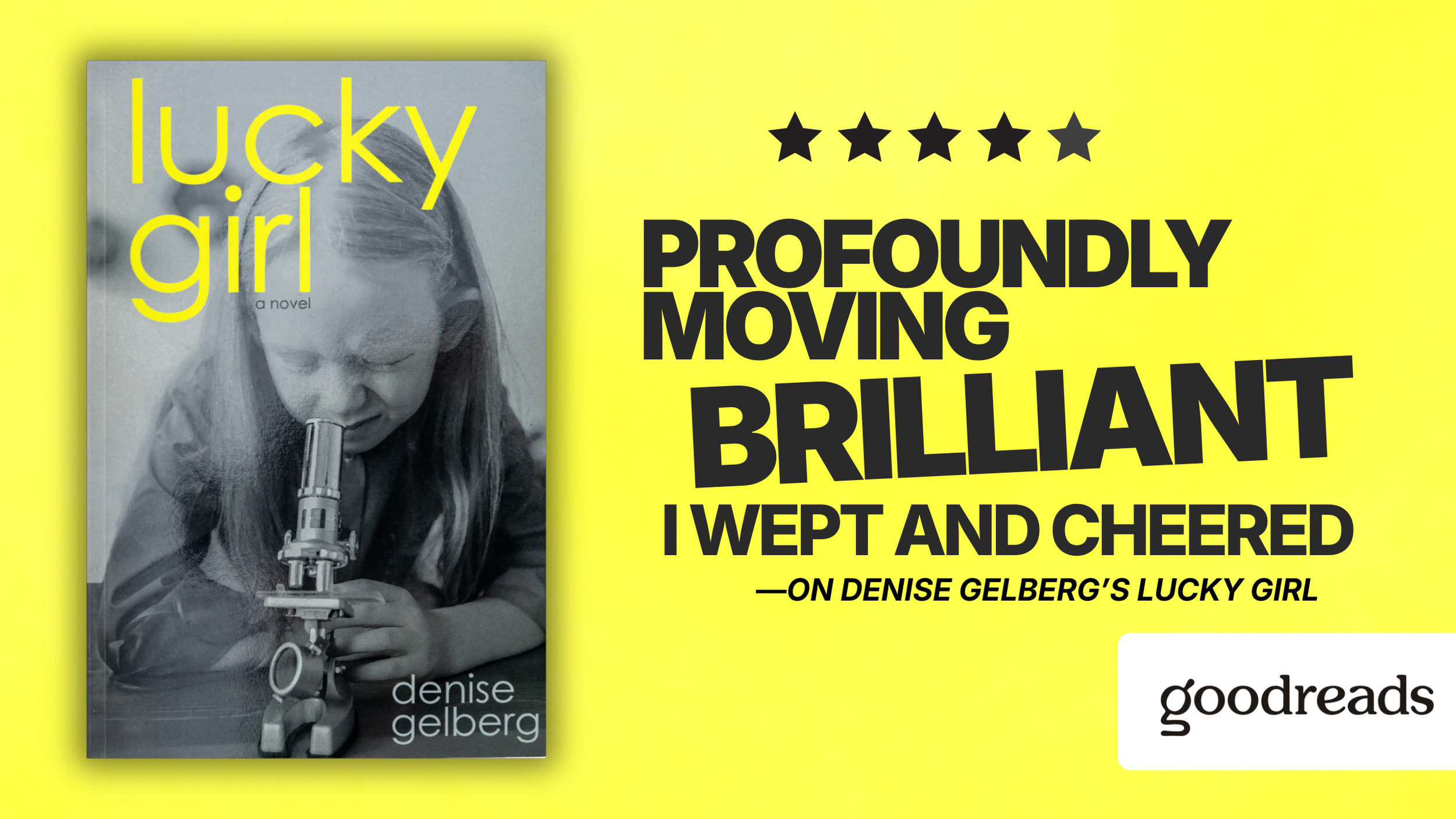
Lucky Girl sprang from my fascination with the role luck plays in our lives. Irene Adelson, a shy girl from a working-class family in mid-twentieth century Brooklyn, appears to have several strikes against her when she pins her hopes on becoming a physician-scientist: a mother who suffers from major depression, a traumatic assault, discrimination from the “old boys’ club” that sees no role for women in serious medical research. But in the end, Irene is triumphant. The question is, what role did her bad luck contribute to her ultimate success?
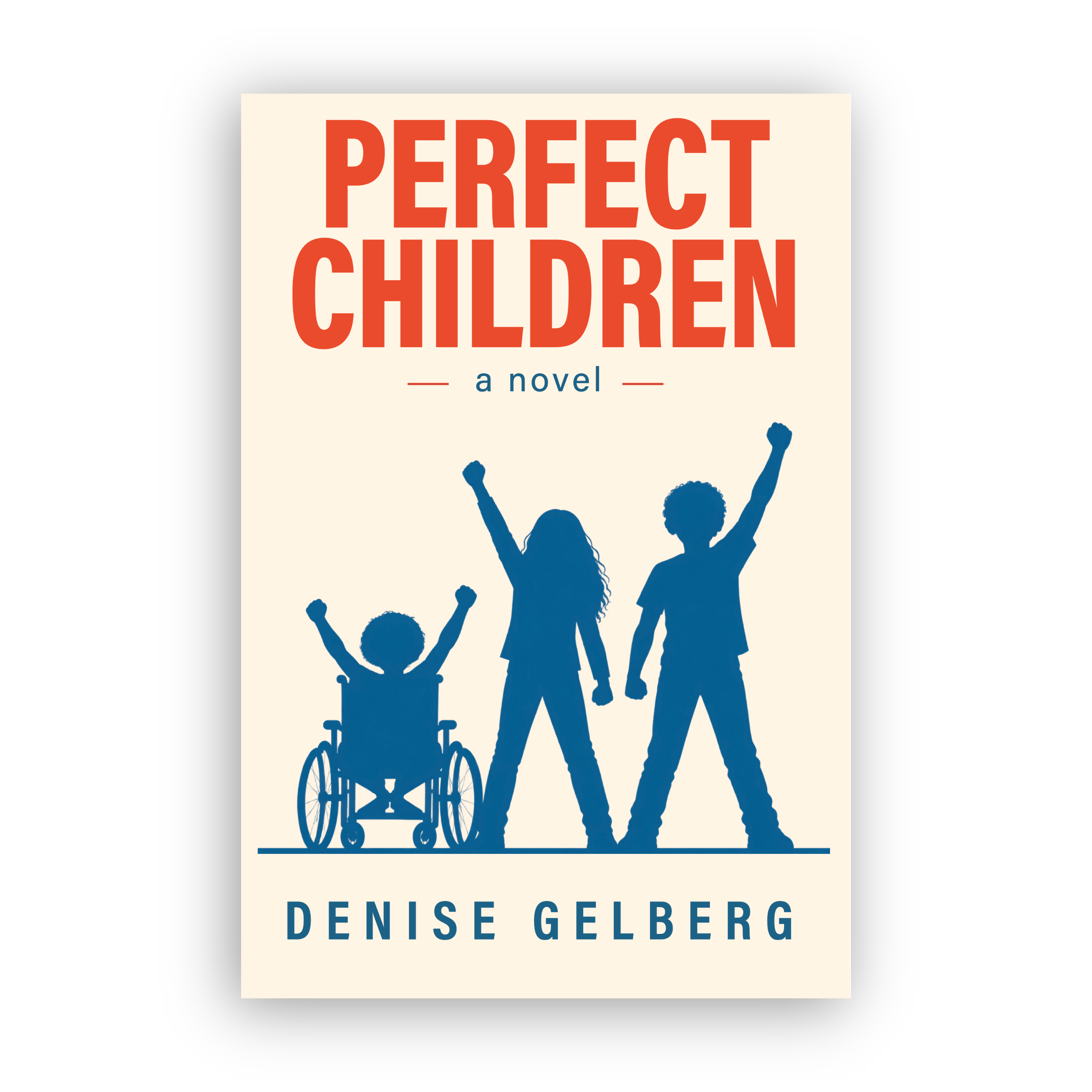
Perfect Children sprang from the question of how parents can successfully shepherd a physically or emotionally disabled child to adulthood. Parenting and growing up — rarely easy journeys — are all the more challenging given a disabling condition. How can the limitation presented by the disability be recognized while not erecting a barrier to a full, rich life for the child?
Are any of your books biographical?
An author is in each of the books she writes. Lucky Girl bears some similarities to my childhood. I, like Irene, was born and raised in Brooklyn by good, hardworking people who had their own struggles. My mother, like Irene’s, suffered from recurrent, major depressive episodes. I, too, was a good student, but the similarities end there. (There is no Nobel Prize in my future, of that I am quite certain.)
That’s a tough one. I loved All the Light We Cannot See by Anthony Doerr. There’s a tie for second: Cutting for Stone, by Abraham Verghese and The Invisible Bridge by Julie Orringer. If I like a book, I generally read it twice: once to immerse myself in the world created by the author, and a second time to see HOW s/he created that world.
What is your favorite book?
At minimum, I try to carve out two full days a week to write. On those days, my husband has to leave the house and work at his office. I need quiet and solitude in order to disappear into the fictional world my characters inhabit. If I’m lucky, I can also write on other mornings, before I leave the house to tutor, swim laps, or run errands to keep the household running.
When do you write?
There are so many, but here are some of the writers I keep returning to year after year: Barbara Kingsolver, Jane Austen, Abraham Verghese, Leo Tolstoy, James McBride.
Favorite writers?
What do you like to do when you’re not writing?
I often feel as though there is not enough time in the day to do all the things I want to do. I jog with my dog every morning, rain, shine, sleet, or snow. I love to swim laps at the local Y. Meeting up with friends over a cup of tea/coffee or lunch is a delicious pleasure. I garden from April to November. Live theater is a luxury I’ve indulged in for the last twenty years – be it Broadway, local or regional theater. Perhaps the most fun is getting to visit with my daughter, her husband, and two lively boys.
YES! I have long thought that a book is not complete until a reader views the story through their personal lens. Joining book club discussions is a treat for me. I am amazed by the insightful questions and comments made by the readers. They sometimes notice things I myself had missed – and I wrote the book! Joining book clubs in person is the most fun, but I also join discussions via Zoom. If you’re interested, reach out to me via the contact form.
Do you come to book clubs?